Quick Summary
Tree cabling is a method used to stabilize branches and trunks that are vulnerable to breakage, often in older or structurally weak trees. Combining cabling with bracing rods adds extra strength for splits or cracks. Proper assessment, correct hardware selection, and professional installation reduce risks to property and people. Regular inspections, pruning, and adjustments help maintain tree health and prolong the effectiveness of cabling. Homeowners and property managers benefit from safer trees without removing valuable or aesthetic specimens.
Trees can face structural weaknesses from age, weather, or growth patterns.
Tree cabling is a method to stabilize branches and trunks without removing the tree. Using proper techniques can help maintain safety and preserve valuable trees on your property.
What Tree Cabling Is
Tree cabling involves installing flexible steel or synthetic cables between major branches. These cables limit excessive movement during wind, storms, or heavy snow.
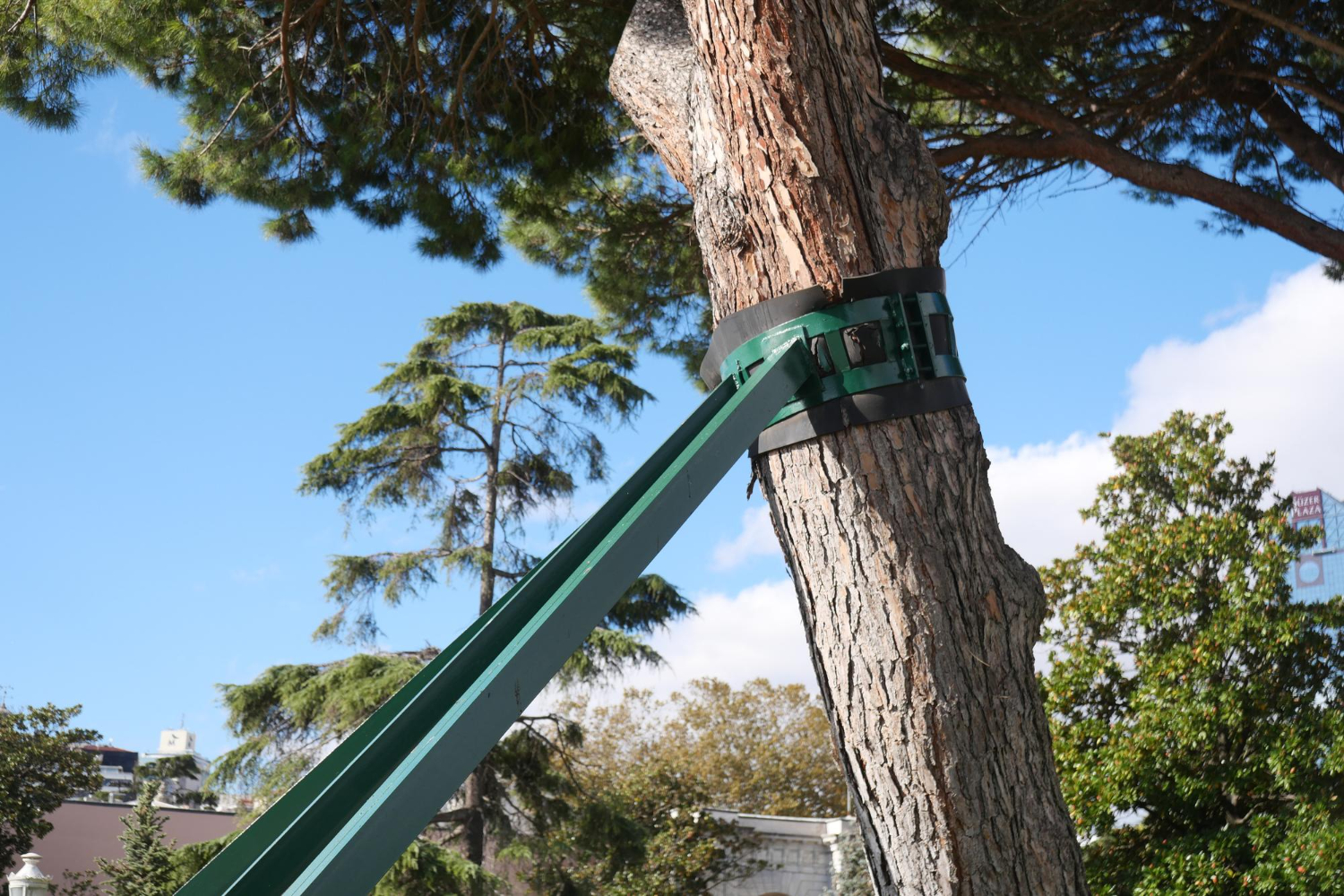
Tree cabling and bracing work together to reduce stress on vulnerable areas and maintain tree health.
Bracing differs slightly by using rigid rods through the trunk or limb unions. Bracing gives extra strength where cracks or splits appear. Combining cabling and bracing can help prolong the life of structurally weak trees.
Common Situations for Tree Cabling
Homeowners and property managers use cabling for trees with overextended or heavy branches. Cabling also protects trees with narrow branch angles that increase the risk of splitting. Trees near buildings or walkways often benefit from preventive support to reduce potential hazards.
Bracing is often applied when visible cracks or splits are present in a branch or trunk. Older trees with declining wood density also benefit from this method. These measures reduce the chance of sudden branch failure without removing the tree entirely.
Tree Cabling Supplies Needed
Cables can be made from galvanized steel or synthetic fibers. High-strength hardware, including turnbuckles and anchors, secures the system in place. Arborists also use rods, bolts, and protective sleeves to prevent damage to the tree during installation.
Professional installation requires careful selection of cable diameter and hardware placement. The wrong supplies or poor placement may lead to branch damage or reduced effectiveness. Choosing appropriate tree cabling supplies is an important step in maintaining tree safety.
Step-by-Step Tree Cabling Process
The first step is assessing the tree for structural weaknesses. Arborists identify branches at risk of splitting or trunks with visible cracks. This evaluation helps determine if cabling, bracing, or a combination is necessary.
Next, anchors are installed in healthy wood sections. Cables are then attached to these anchors using turnbuckles to adjust tension. Bracing rods are inserted through splits or cracks to offer rigidity and prevent movement.
Finally, the system is tested to confirm stability. Branches are observed during movement to check on proper weight distribution. The tree is monitored regularly to maintain the effectiveness of cabling and bracing over time.
Maintenance and Safety Tips
Periodic inspections are necessary to check cable tension and hardware integrity. Adjustments may be required as the tree grows or after extreme weather events. Proper maintenance sees to it that the tree continues to remain safe without unnecessary stress on the branches.
Branches should be pruned carefully to reduce weight and limit potential hazards. Avoid over-pruning, as it can compromise stability and health. Safety is improved when trees are regularly evaluated for both growth and damage.
Benefits of Tree Cabling and Bracing
Cabling and bracing protect property and people by reducing the risk of falling limbs. They allow healthy, valuable trees to remain in place instead of being removed. This method preserves the aesthetic and ecological value of trees on residential and commercial properties.
These techniques also extend the lifespan of trees that might otherwise fail due to structural weakness. Homeowners can enjoy a safer yard without sacrificing shade or privacy. Tree cabling and bracing are proactive measures that help manage risks effectively.
Understanding When Professional Help Is Needed
Installing cables and braces requires skill to avoid damage to the tree. Heavy trees or high branches can be dangerous to handle without proper equipment. Green Nature Tree Service LLC can assess your tree’s condition and safely install cabling or bracing when necessary.
Professional crews also select the correct cable diameter and rod placement for each tree. Incorrect installation may cause more harm than good. Hiring experts helps protect both the tree and the surrounding property.
Maintaining Healthy Trees with Cabling
Regular care of trees with installed cabling prolongs effectiveness. Inspect the tree yearly for hardware integrity and growth changes. Keep records of maintenance and adjust cables as needed to adapt to the tree’s natural growth.
Pruning excess growth and removing dead limbs complement cabling and bracing.
Healthy tree maintenance keeps branches balanced and reduces stress on cables. Combining these practices helps trees thrive safely in urban and residential environments.
Protect Your Trees with Expert Care
Green Nature Tree Service LLC can install professional tree cabling to strengthen your trees and reduce the risk of branch failure. Trust our experienced crew to handle the work with care and precision.
Contact us and schedule an evaluation today.
FAQs
What is tree cabling and why is it used?
Tree cabling is the installation of flexible cables between branches to reduce excessive movement. It helps prevent branch or trunk failure, especially in trees with weak attachments or structural issues.
How does tree cabling differ from bracing?
Cabling uses flexible cables to redistribute stress, while bracing uses rigid rods to hold cracked or split areas together. Often, both methods are used for maximum stability.
Do I need a professional to install tree cabling?
Yes. Proper installation requires experience, correct hardware, and safe techniques. Incorrect cabling can damage the tree or fail to prevent branch breakage, so hiring a skilled crew is recommended.