Quick Summary
After a tree is removed, proper attention to the stump site is vital for a safe and attractive yard. Homeowners should clean up leftover wood chips, fill the remaining hole, and level the ground to prevent hazards. Planning for new grass or alternative landscaping enhances property aesthetics, while monitoring soil settling and managing pests maintains yard health over time. Avoid planting a new tree immediately in the same spot, and call a professional for complex stumps or areas near structures. Consistent care turns stump removal into an opportunity to restore and beautify the outdoors.
Removing a tree from your property creates space but leaves a stump that requires attention. Knowing
what to do after stump grinding helps homeowners maintain a safe and attractive yard. Following proper steps can prevent hazards and prepare the area for future landscaping or planting.
Assess the Site and Understand Stump Grinding Results
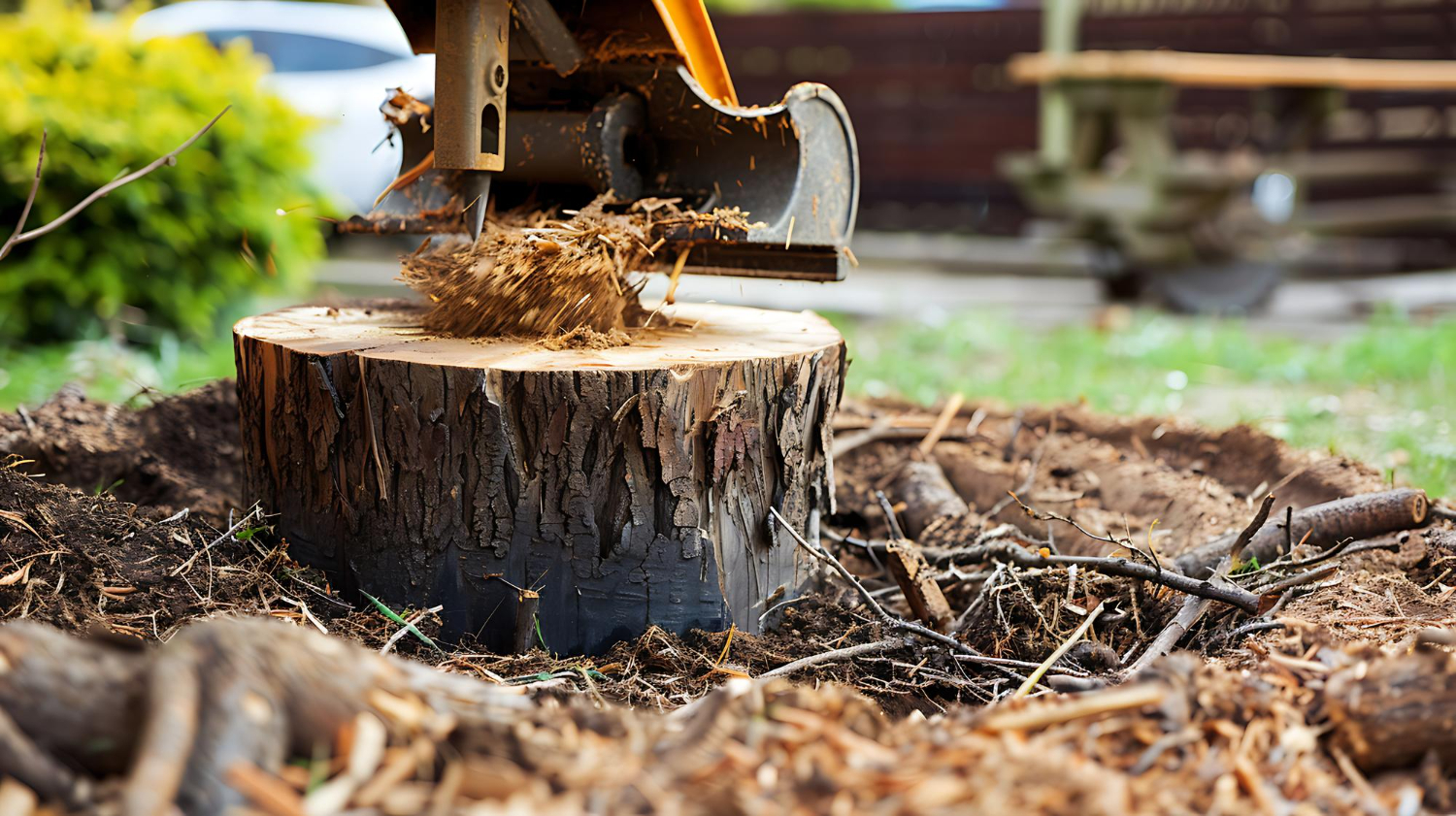
After a stump is ground, wood chips and remnants of the root system remain in the soil.
Stump grinding removes the aboveground trunk and some roots but leaves a small depression that can settle over time. Homeowners should inspect the area for safety hazards and identify debris that may interfere with landscaping.
Understanding the size of the remaining root system is helpful for planning your next steps. Large roots may require additional removal to prevent future tripping hazards or uneven soil. Observing these conditions early makes cleanup and restoration easier and safer.
Observe Soil Conditions and Remaining Roots
The ground may be uneven, and small roots can cause minor obstructions. Take note of soft spots where settling might occur. Understanding these conditions helps you plan the next steps for yard restoration.
Roots left behind decompose over time and can create pockets of unstable soil. Noting where these spots exist allows homeowners to fill and level the area properly before planting or landscaping. Proper assessment avoids long-term maintenance issues.
Remove Wood Chips and Debris Efficiently
Managing leftover materials is an important part of post-stump grinding care. Homeowners can collect wood chips with a rake or shovel to clear pathways and open spaces. Knowing how to clean up after stump grinding prevents the accumulation of organic matter that can attract pests.
Think if you should dispose of the wood chips or reuse them in other parts of the yard. Using chips as mulch adds nutrients while controlling soil moisture. Thoughtful handling of debris turns waste into a useful resource for your landscape.
Fill the Hole and Level the Ground
After debris removal, a shallow hole usually remains where the stump was located. Add fresh soil gradually to fill the cavity and level the area with the surrounding terrain. Compacting the soil lightly helps prevent future sinking and creates a firm base for planting or other projects.
Mixing topsoil with existing soil encourages better growth for grass or flowers. Avoid piling soil too high, which can create water pooling or uneven surfaces. A level surface improves the appearance and usability of your yard.
Plan for New Grass or Planting
One of the simplest ways to restore the area is by planting grass. Consult guidance on how soon after stump grinding you can plant to determine when it is safe to seed or sod the soil. Newly added soil and decomposing roots can delay grass establishment, so timing matters for best results.
Preparing the soil involves loosening compacted areas and removing large root fragments. Adding a thin layer of compost improves nutrient levels and supports strong root growth. Proper preparation makes sure that your grass or plants establish evenly.
Consider Alternative Landscaping Options
Stump locations can be turned into flower beds, decorative shrubs, or hardscaping features. Choose plants that tolerate partial root decay and the changing soil conditions left after stump grinding. Landscaping creativity can transform a former stump site into an attractive focal point.
Other options include installing mulch beds, ground covers, or small garden ornaments. Selecting plants suited to soil conditions and light exposure reduces maintenance and promotes long-term success. Planning thoughtfully maximizes the usability of your restored space.
Avoid Planting a New Tree in the Same Spot Immediately
Planting a new tree in the same location may cause problems due to leftover roots. The soil needs time to settle and decompose to reduce stress on young trees. Planning for new trees elsewhere can prevent stunted growth or instability in your landscape.
Even when the soil appears ready, remaining organic matter can attract insects or create uneven moisture retention. Allowing the site to rest for several months before replanting minimizes future issues. This approach promotes healthier trees in your yard.
Maintain the Area Over Time
Even after leveling and planting, the site may continue to settle over several months. Monitor for depressions, pooling water, or uneven growth. Adding soil periodically keeps the area level and safe for walking or recreational use.
Homeowners should also watch for erosion or exposed roots that may appear over time. Applying mulch or stabilizing soil helps maintain a smooth, attractive surface. Consistent observation prevents small issues from becoming larger problems.
Protect the Yard from Pests and Weeds
Leftover wood fragments can attract insects or encourage unwanted plants. Removing large debris and monitoring the soil reduces the risk of infestations. Applying mulch or ground cover strategically can limit weed growth and maintain yard aesthetics.
Regular inspection helps homeowners detect pests early before they spread. Addressing minor issues promptly keeps your yard healthy and reduces the need for chemical treatments. Preventive care supports long-term landscape quality.
Call a Professional
Large stumps, complicated root systems, or sites near structures may require expert attention. Professionals can safely remove remaining roots and grade the soil efficiently. Consulting an experienced team guarantees a clean and functional space, ready for landscaping.
Professional advice also helps when planning new plantings or addressing drainage concerns. A
tree expert recommends the best timing for planting grass or shrubs. Engaging experts reduces risks and improves results.
Restore and Beautify Your Yard
Taking the proper steps after stump grinding translates to a safe and attractive outdoor space. Cleaning debris, filling holes, and planning plantings transform a former stump location into a usable part of the yard. Homeowners can enjoy a smooth, healthy landscape for years to come.
Regular maintenance, watering, and fertilizing help new grass and plants thrive. Monitoring for settling or erosion preserves the appearance and usability of your yard. These actions turn stump removal into an opportunity to improve your property.
Ready to Restore Your Yard After Stump Grinding?
Trust Green Nature Tree Service LLC to handle your stump grinding and yard restoration projects with care and precision. Contact us to schedule your service and get expert guidance from our experienced team.
FAQs
How soon after stump grinding can I plant grass or flowers?
Planting should typically wait until the soil settles and decomposing roots break down. This often takes a few weeks, depending on stump size and soil conditions. Proper preparation, including adding topsoil or compost, helps new plants establish evenly.
What is the best way to clean up after stump grinding?
Use a rake or shovel to remove excess wood chips and debris. Decide whether to dispose of the material or repurpose it as mulch for other garden areas. Clearing the area prevents pests and prepares the soil for planting.
Do I need a professional for stump grinding cleanup?
Small stumps and simple sites can be handled by homeowners. However, large stumps, complicated root systems, or locations near structures may require expert assistance to safely remove roots, level the ground, and prepare the area for landscaping.