Quick Summary
Identifying the right time for tree removal involves assessing tree health, structural stability, and surrounding risks. Signs like dead branches, leaning trunks, cracked roots, or pest infestations signal potential hazards. Environmental factors, proximity to structures, and seasonal considerations also affect timing. Professional tree removal services serve as safe, insured solutions while guiding homeowners on costs, proper planning, and liability concerns. Consulting experienced crews handles removal efficiently, reduces property damage, and protects residents and visitors.
Deciding on a
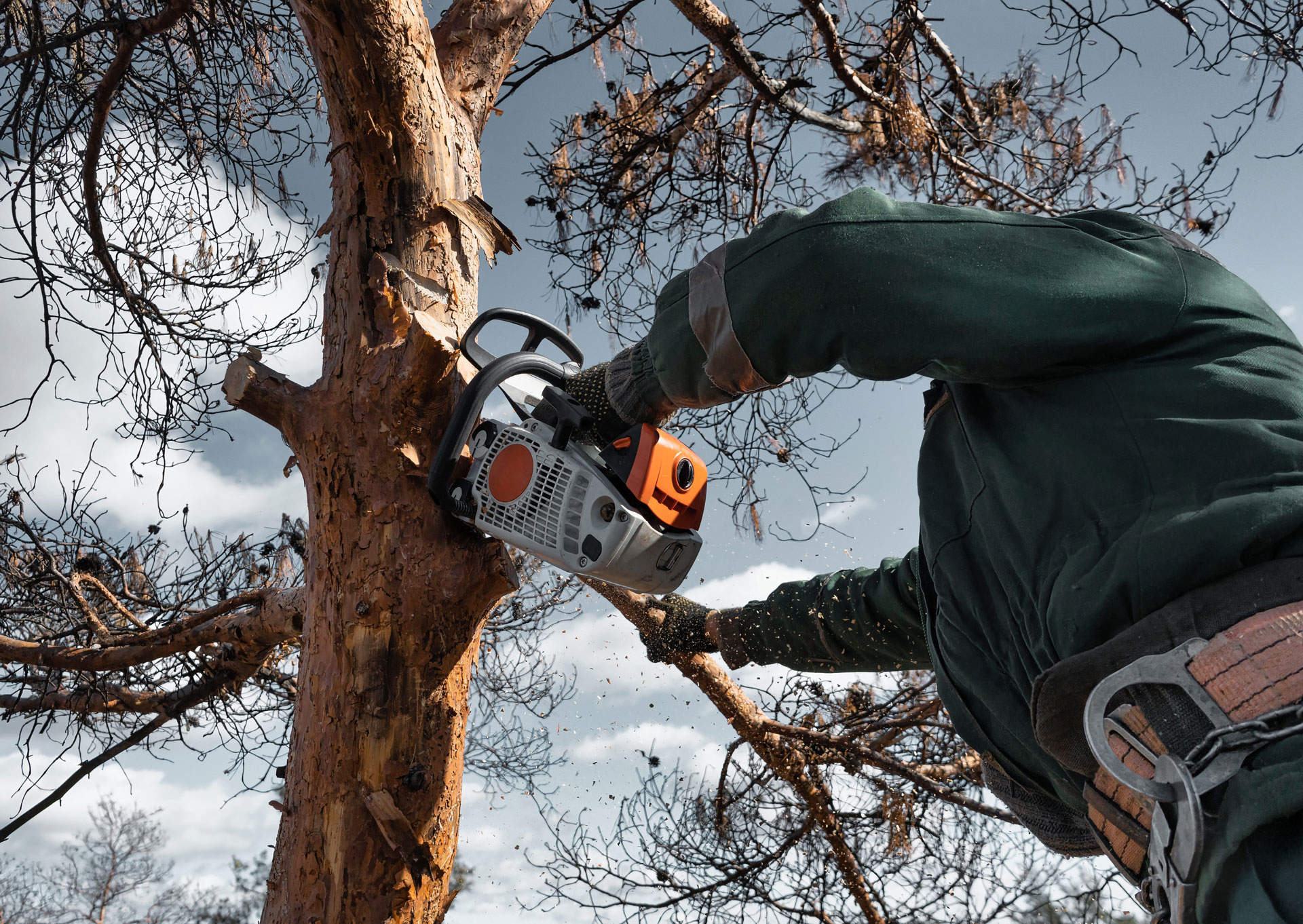
tree removal can be challenging for homeowners and property managers. Observing the condition of the tree, surrounding structures, and potential hazards helps make the right choice. Proper timing avoids damage, reduces risks, and keeps people and property safe.
Observe Tree Health Closely Before Removal
Healthy trees contribute to the landscape and property value, but signs of disease or decay may indicate the need for action. Removing a tree should be considered when branches die, leaves discolor unusually, or fungus appears at the base. Early attention prevents small issues from becoming safety hazards and can influence how much it costs to remove a tree.
Dead or broken limbs are warning signals that a tree may fail under storm conditions. Branches that fall unexpectedly put homes, vehicles, and people at risk.
Tree removal services can remove these hazards safely before accidents occur.
Look for Structural Damage
Cracks in the trunk, cavities, or significant leaning suggest internal weakness. Even minor splits may indicate decay that compromises the tree's stability. Consulting a professional helps assess if the tree is repairable or requires complete removal.
Roots that lift sidewalks, crack driveways, or interfere with plumbing indicate a risk to property foundations. The extent of damage often determines if removal is safer than ongoing maintenance. Property owners should evaluate the situation carefully to decide on tree removal services.
Consider Environmental and Location Factors
Trees near power lines, buildings, or heavily trafficked areas require attention. Growth that interferes with structures or obstructs visibility may necessitate removal. Evaluating the environment helps determine the safest approach for the property.
Storm-prone regions increase the likelihood of tree failure. Strong winds or heavy snow can exacerbate weak branches or leaning trunks. Timely tree removal mitigates the dangers posed by unpredictable weather events.
Seasonal Considerations
Tree removal is often more efficient during dormant seasons, when leaves are absent and branches are easier to manage. Winter or early spring offers safer conditions for crews and reduces stress on surrounding vegetation. Planning removal with seasonal factors in mind can also influence cost efficiency and minimize disruption.
Evaluate Tree Age and Growth Patterns
Old trees may exhibit slow growth, brittle branches, or hollow trunks, which compromise safety. Rapidly growing young trees may also pose problems if they outgrow their location or proximity to structures. Regular inspections help identify whether intervention through trimming or removal is necessary.
Trees with aggressive root systems may damage underground utilities, landscaping, or foundations. Assessing growth patterns helps property owners anticipate potential issues before they escalate. Selecting professional tree removal services means careful evaluation and proper handling.
Evaluate Surrounding Vegetation and Landscape
Consider how nearby plants, shrubs, or other trees interact with the tree in question. Crowding or competition for sunlight can affect tree stability and overall health. Evaluating surrounding vegetation helps determine if removal or selective trimming is best.
Trees that overshadow gardens, lawns, or landscaping features may require removal to maintain property aesthetics. Proper planning prevents recurring damage to other plants and keeps outdoor spaces functional. Professional tree removal services can bring insight into balancing landscape needs with tree safety.
Recognize Safety Hazards Early
Property owners must identify potential risks, such as falling branches, unstable trunks, or root-related hazards. Visibility of these problems can be subtle, so routine observation is important. Addressing safety hazards promptly protects families, tenants, and visitors.
Nearby power lines increase the complexity and danger of removal. Professionals trained in high-risk scenarios are necessary to avoid injury or property damage. Using insured tree removal services brings peace of mind and legal protection.
Monitor Signs of Pest Infestation
Infestations from beetles, borers, or other pests can weaken trees internally. Evidence may include small holes, sawdust, or unusual sap flow. Detecting pests early allows property owners to evaluate if tree removal is the most practical option.
Pests can spread to nearby healthy trees, compounding the risk. Removal of severely infested trees helps contain the problem. Professionals can advise on the safest and most cost-effective strategy.
Assess Property Impact and Future Plans
Consider how trees affect future construction, landscaping, and property access. Trees interfering with driveways, sidewalks, or expansions may need removal to accommodate projects. Long-term planning reduces recurring maintenance issues and keeps the property functional.
Community regulations and local ordinances may dictate tree removal procedures. Checking permits and legal requirements avoids fines and maintains compliance. Engaging professional tree removal services simplifies navigation of these rules.
Know When to Consult Experts
Even if signs of decay or structural issues appear, some trees may be salvageable. A professional assessment clarifies if trimming, bracing, or partial pruning can extend a tree's life. Only trained personnel can determine the safest method for preserving or removing trees.
Single-crew companies that offer estimates and perform the work, like Green Nature Tree Service LLC, offer consistent evaluation and execution. This approach eliminates confusion between sales representatives and field crews. It allows for accurate recommendations on "how much does it cost to remove a tree".
Plan for Safe and Efficient Tree Removal
Safety should be the priority when scheduling removal. Using insured services guarantees coverage for trees up to 80 feet. Coordinating removal around weather, space, and property access improves efficiency and reduces risk.
Scheduling removal at the right time avoids unnecessary hazards, property damage, or higher costs. Evaluating tree health, structural integrity, and environmental factors informs a professional decision.
Emergency tree removal services handle complex situations and protect both property and residents.
Review Insurance and Liability Concerns
Homeowners should review insurance policies to understand coverage for property damage caused by falling trees or branches. Knowing your liability helps decide if professional removal is the safest choice. Tree removal services with comprehensive insurance offer added protection for both property and personnel.
Trees near structures, vehicles, or utility lines increase potential liability if they fail unexpectedly. Using insured, professional crews reduces financial risk and makes sure that any accidents are covered. Green Nature Tree Service LLC carries insurance for trees up to 80 feet, providing peace of mind for every project.
Need Professional Tree Removal Assistance?
Green Nature Tree Service LLC has experienced, insured crews for safe and reliable tree removal.
Contact us today for expert advice and scheduling.
FAQs
How do I know if my tree needs to be removed?
Look for dead or broken branches, trunk cracks, leaning, root damage, or signs of disease and pest infestations. Trees showing these issues may pose risks and require professional assessment for safe removal.
How much does it cost to remove a tree?
The cost depends on tree size, height, location, and complexity of the job. Homeowners should request an on-site estimate from insured tree removal services to get an accurate price.
Can I remove a tree myself?
Removing large or unstable trees is dangerous and may cause property damage or injury. Hiring insured professionals leads to safety, proper equipment usage, and adherence to local regulations.
Do I need a permit for tree removal?
Some municipalities require permits for removing certain trees, especially if they are near property lines or protected species. Check local regulations before scheduling removal with professionals.
Can tree trimming prevent removal later?
Proper trimming can extend a tree’s life and reduce hazards, but structural decay, disease, or severe damage may still require removal despite regular maintenance.